




If your skincare routine feels solid on paper—but the results aren’t showing up in the mirror—you’re not alone. One of the most common non-brand skincare searches is some variation of “why isn’t my skincare working?” And the frustration behind that question is completely valid.
You’re cleansing, moisturizing, maybe even using trending ingredients. Yet your skin still looks dull, feels dry, or seems to hit a plateau where nothing improves. The instinct is often to add more products, swap routines, or chase stronger actives—but that rarely solves the problem.
More often, skincare stops working not because the products are bad, but because delivery, timing, and targeting are off. Ahead, we’re breaking down what “not working” actually looks like, why even great ingredients can fall short, and how targeted treatments help bridge the gap between a routine that’s fine—and one that finally delivers.
What “Skincare Isn’t Working” Actually Looks Like
When people say their skincare isn’t working, they usually don’t mean nothing is happening. Results are often inconsistent, short-lived, or limited to certain areas.
You might notice your skin looks hydrated right after application, but feels tight again by midday. Makeup may pill or cling in unexpected places. Products feel like they sit on top of the skin instead of absorbing. Or your face looks fine, but your under-eyes, lips, neck, hands, or feet never seem to catch up.
These aren’t signs that skincare has failed entirely—they’re signals that certain areas need more focused support than a general routine can provide.
Skincare Isn’t One-Size-Fits-All (Even When the Ingredients Are Right)
 One of the biggest misconceptions in skincare is that a single routine should perform evenly across the entire face and body. In reality, skin behaves very differently depending on location.
The under-eye area is thinner and loses moisture faster. Lips lack oil glands altogether. The neck is exposed to environmental stress but often skipped in routines. Hands and feet endure constant friction, washing, and weather exposure.
When the same cleanser, serum, and moisturizer are applied everywhere, results tend to be uneven. This is where many routines quietly fall short—not because the ingredients are wrong, but because the format doesn’t match the skin’s needs.
Targeted treatments work differently because they’re designed for specific zones, allowing ingredients to stay in place longer and absorb more effectively.
Why Great Ingredients Still Don’t Always Work
It’s easy to assume that if you’re using high-quality ingredients, results should be automatic. But in skincare, delivery matters just as much as formulation.
Serums and creams are effective, but they’re also vulnerable to evaporation, movement, and dilution—especially during the day. Ingredients may absorb partially, then disappear before they’ve had time to do meaningful work.
Another common issue is layering too many products too quickly. When skin is overloaded, absorption slows, and products may pill or sit on the surface. In some cases, overuse of exfoliants or actives can compromise the skin barrier, making it harder for even hydrating products to perform well.
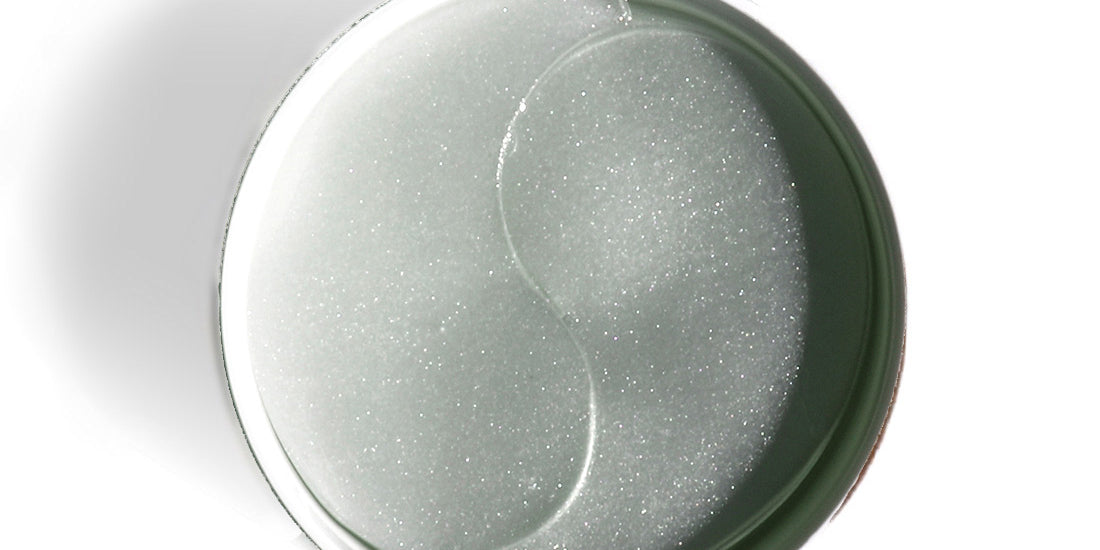
This is where extended-contact formats—like hydrogel masks and patches—offer a real advantage.
Why Targeted Treatments Work Differently
Targeted treatments are designed to stay put. By maintaining close contact with the skin, they help deliver ingredients more efficiently—especially in areas prone to dryness, fine lines, or fatigue.
Hydrogel patches and masks also create a light occlusive effect, helping reduce moisture loss while skin absorbs hydration. This combination of contact time + occlusion is why targeted treatments often feel more impactful, even when used less frequently.
For example, adding a hydrating face mask a few times a week—like the
FlashMasque® Hydrate 5-Minute Face Sheet Mask—can help replenish moisture more effectively than relying on daily creams alone, especially during seasonal dryness.
The Areas Where Skincare Breaks Down First

If your routine feels inconsistent, look at where results lag behind. These zones almost always benefit from targeted care:
Under-eyes often show dehydration, puffiness, or fine lines before the rest of the face. Exploring Patchology’s full range of eye masks and under-eye patches makes it easier to address this area without overloading facial skin.
Lips tend to stay dry no matter how often balm is applied. Hydrating lip gels offer deeper moisture than surface products alone.
Neck and décolleté are frequently exposed but rarely treated with the same consistency as the face, which can make results feel incomplete.
Hands and feet often remain dry long after winter ends. Treatments like the
Rose Fingers & Toes Bundle deliver hydration where daily lotions struggle to keep up.
Why Targeted Care Improves Results Without Adding Complexity

One of the biggest myths in skincare is that better results require more steps. In reality, precision often outperforms excess.
Targeted treatments don’t replace your routine—they enhance it. Masks, eye gels, and patches fit seamlessly into existing routines and can be used a few times per week rather than daily. This makes them easier to stick with and gentler on the skin barrier.
If you’re looking for flexible options, browsing Patchology’s
eye collection or curated kits allows you to mix and match treatments based on what your skin actually needs, rather than committing to a rigid routine.
How to Improve Your Routine Without Starting Over
If your skincare isn’t delivering, the solution usually isn’t a total reset. Small, strategic adjustments often make the biggest difference.
Focus on supporting hydration before adding more actives. Give products enough time to absorb. Use targeted treatments where skin consistently feels under-supported. And most importantly, stick with changes long enough to see real results.
Skincare responds best to consistency, not constant experimentation.
FAQ: Why Skincare Sometimes Stops Working
Why do my skincare products stop working over time?
Skin needs change with seasons, stress, and age. A routine that worked before may need extra hydration or targeted support as conditions shift.
Can using too many products make skin worse?
Yes. Over-layering can overwhelm the skin barrier and interfere with absorption.
How long should it take to see results?
Hydration improvements may show quickly, but texture and tone changes often take several weeks of consistent care.
Do targeted treatments really make a difference?
They can—especially in areas like the eyes, lips, neck, hands, and feet where traditional routines tend to fall short.
The Bottom Line
If your skincare isn’t working, it doesn’t mean you’re doing something wrong. More often, it means your skin needs more focused support, not more products.
By understanding where routines typically fall short—and incorporating targeted treatments where they matter most—you can help your skincare work smarter, feel more effective, and deliver results that actually last.
Pro Tips for Better Results + Key Ingredients to Look For
1) Consistency beats intensity.
Aim for steady use (weeks, not days) before switching products.
2) Hydrate first, then seal.
Look for hyaluronic acid or glycerin, then follow with a barrier-supporting moisturizer.
3) Support your barrier daily.
Ingredients like ceramides and niacinamide help skin feel more resilient over time.
4) Don’t over-exfoliate.
If skin feels tight or sensitive, scale back and focus on hydration and barrier support.
5) Choose skin-supporting actives.
Peptides are a gentle, routine-friendly option for smoothing and firmness support.
6) Target the zones that struggle most.
Under-eyes, lips, neck, hands, and feet often need extra help beyond “all-over” products.
7) Give products time to absorb.
A short pause between layers can reduce pilling and improve how skincare sits on skin.
8) Think “contact time” for best results.
Treatments that stay in place (like masks/patches) help ingredients work longer—especially on dry-prone areas.


