




After months of cold air, heavy layers, and survival-mode skincare, spring has a way of revealing what winter left behind. Skin that once felt fine can suddenly look rougher, less even, or harder to smooth with makeup. Texture becomes more noticeable. Glow feels just out of reach.
This is where a spring skin reset comes in—not a dramatic overhaul, but a thoughtful shift. Smoother-looking skin isn’t about scrubbing everything away. It’s about gently clearing winter buildup, rebalancing hydration, and supporting skin so it can do what it does best: renew itself.
Here’s how to smooth uneven texture, reset skin for spring, and reveal fresher-looking skin—without irritation or overdoing it.
Why Texture Looks Worse After Winter

Uneven skin texture doesn’t appear overnight. It’s usually the result of small changes that add up over time—especially during winter.
Cold weather slows natural cell turnover, which means dead skin cells can linger longer on the surface. Indoor heating pulls moisture from the air, leaving skin dehydrated and less resilient. At the same time, winter routines often rely on heavier creams and fewer exfoliating steps to protect the skin barrier.
All of this can lead to skin that feels:
- Rough or bumpy
- Less smooth to the touch
- Dull, even when hydrated
- Harder to prep for makeup
Texture isn’t a sign that skin is unhealthy—it’s a sign that it’s ready for a seasonal reset.
What “Uneven Skin Texture” Actually Means

Texture refers to how smooth or even the skin’s surface looks and feels. When skin is well-balanced, hydrated, and gently exfoliated, light reflects evenly, and skin appears smoother.
When texture is uneven, light scatters. Makeup doesn’t sit as well. Skin may feel fine in some areas and rough in others.
Common causes of uneven texture include:
- Dead skin buildup
- Dehydration
- Over-exfoliation in the past
- Environmental stress
- Neglected areas like lips, feet, or hands
The goal of a texture reset isn’t to “polish” skin aggressively—it’s to support natural renewal.
Exfoliation Myths vs. Reality
When texture shows up, exfoliation is often the first solution people reach for—and the easiest one to overdo.
One of the biggest myths in skincare is that rough texture needs aggressive scrubs or frequent exfoliation. In reality, too much exfoliation can make texture worse, not better. It can compromise the skin barrier, increase sensitivity, and lead to more unevenness over time.
The reality?
Gentle, consistent exfoliation paired with hydration is far more effective than harsh treatments used sporadically.
Think of exfoliation as clearing the path, not forcing change.
Chemical vs. Physical Exfoliation (The Simple Breakdown)

Both types of exfoliation can help smooth texture—but they work differently, and context matters.
Chemical exfoliation uses ingredients that help loosen dead skin cells so they shed more easily. These formulas tend to be more even and controlled when used correctly, making them a popular option for facial texture.
Physical exfoliation relies on friction to remove buildup. When done gently and intentionally, it can be especially effective for thicker skin areas that experience more buildup.
The key isn’t choosing one forever—it’s choosing the right type for the right area.
Where Targeted Exfoliation Works Best
One reason texture issues linger is that exfoliation is often applied either everywhere—or nowhere. In reality, some areas benefit far more from targeted exfoliation than others.
Face
Facial texture responds best to gentle exfoliation paired with hydration. Overdoing it here can quickly lead to sensitivity, which is why balancing exfoliation with soothing, hydrating treatments is essential.
A formula like Exfoliate Mate Facial Mask is designed to gently smooth texture without leaving skin feeling stripped—making it a smart option during a spring reset.
Lips: The Overlooked Part of Your Spring Reset
Lips are prone to buildup—but they’re often the last place we think to exfoliate. Unlike the rest of your face, lips don’t have oil glands, which makes them especially vulnerable to dryness, flaking, and dull texture—particularly after winter. Dead skin can accumulate quickly, causing lipstick to apply unevenly and hydration to sit on the surface instead of absorbing. A gentle exfoliation step helps sweep away that buildup, instantly improving smoothness and allowing moisture to penetrate more effectively.
Once texture is refined, hydration is everything. Think of exfoliation as the reset, and targeted treatments as the replenishment. Using nourishing treatments like Hydrating Lip Gels delivers concentrated moisture in just minutes, helping lips look softer, fuller, and refreshed. For daily maintenance, Lip Service Gloss-to-Balm Treatment seals in hydration with conditioning ingredients that support a healthy-looking lip barrier. Together, this simple two-step approach boosts lip smoothness, improves the look of fine lines caused by dryness, and keeps your lips looking healthy, supple, and ready for anything—no heavy layers required.
Feet
 Feet experience the most friction, pressure, and winter neglect—and they often hold onto the most texture as a result. Lotion alone rarely fixes roughness here because it can’t remove built-up dead skin.
This is where an exfoliating foot treatment like PoshPeel™ Foot Peel Exfoliating Mask plays a role. By helping shed built-up layers over time, it resets texture so softer, smoother-looking skin can emerge.
A spring skin reset doesn’t stop at the face—texture shows up everywhere.
Why Hydration Is Essential After Exfoliation
Exfoliation without hydration is one of the fastest ways to compromise the skin barrier. When dead skin is removed, fresh skin underneath needs support—especially water.
Hydrated skin looks smoother because it’s more flexible, more resilient, and better at reflecting light. This is why pairing exfoliation with hydrating treatments is key to achieving visible smoothness without irritation.
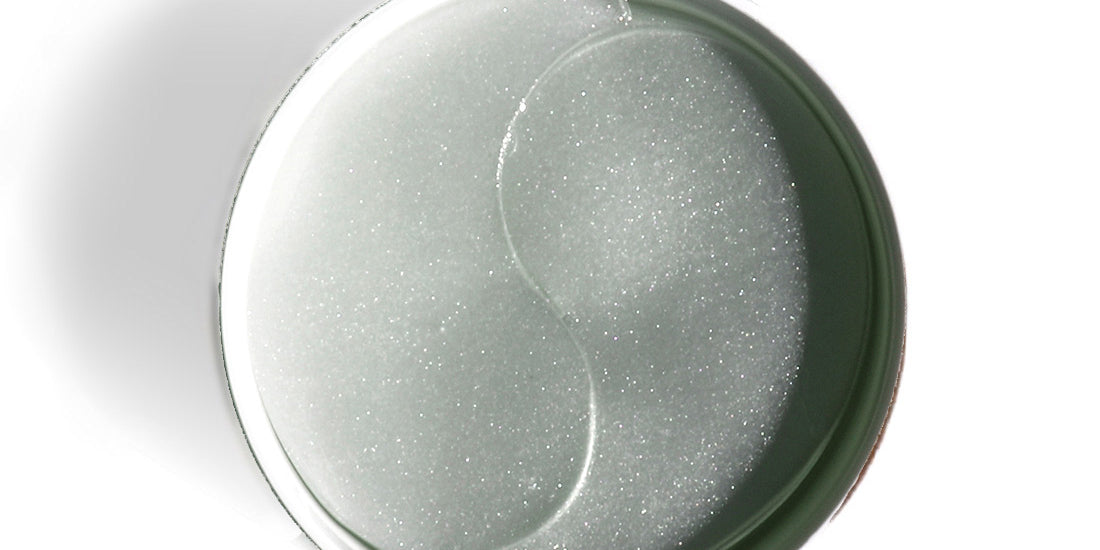
After exfoliating, hydrating masks and patches help replenish moisture and support recovery, making results look more even and long-lasting.
Building a Texture-Reset Routine (Without Irritation)
A spring reset works best when it’s simple and consistent—not aggressive.
Start by exfoliating gently and intentionally, focusing on areas where texture is most noticeable. Follow with hydration to help skin recover and rebalance. Use targeted treatments to support areas that tend to lag behind, like under-eyes, lips, and feet.
Consistency matters more than frequency. Skin responds better to steady care than to cycles of overdoing and backing off.
If you want an easy way to support multiple areas at once, Patchology’s curated kits make routine-building simpler—pairing exfoliation, hydration, and targeted care without guesswork.
How Long It Takes to See Smoother Texture
Some improvements feel immediate. Skin often feels smoother after gentle exfoliation and looks more refreshed after hydration. More visible texture changes—like softness and evenness—build over time.
Expect a spring reset to feel like progress, not pressure. Small improvements compound quickly when skin is supported consistently.
The Bottom Line
Smoother-looking skin isn’t about scrubbing harder or starting over. It’s about balance—gentle exfoliation, consistent hydration, and targeted care where skin needs it most.
A spring skin reset is an invitation to recalibrate, not restart. When winter buildup is cleared thoughtfully and skin is supported properly, fresher-looking skin naturally follows.
After exfoliation, hydration is what helps skin look smooth—not stressed. A hydrogel mask like the Serve Chilled Bubbly Hydrogel Face Sheet Mask delivers a refreshing boost of moisture, helping freshly exfoliated skin feel comfortable and look more luminous. It’s the easiest way to lock in that smooth-skin feeling and keep your spring reset balanced.
And remember: texture reset starts beyond the face.
Read More: Texture, Exfoliation & Skin Renewal
For deeper insights into texture and exfoliation, explore these expert-backed resources.


