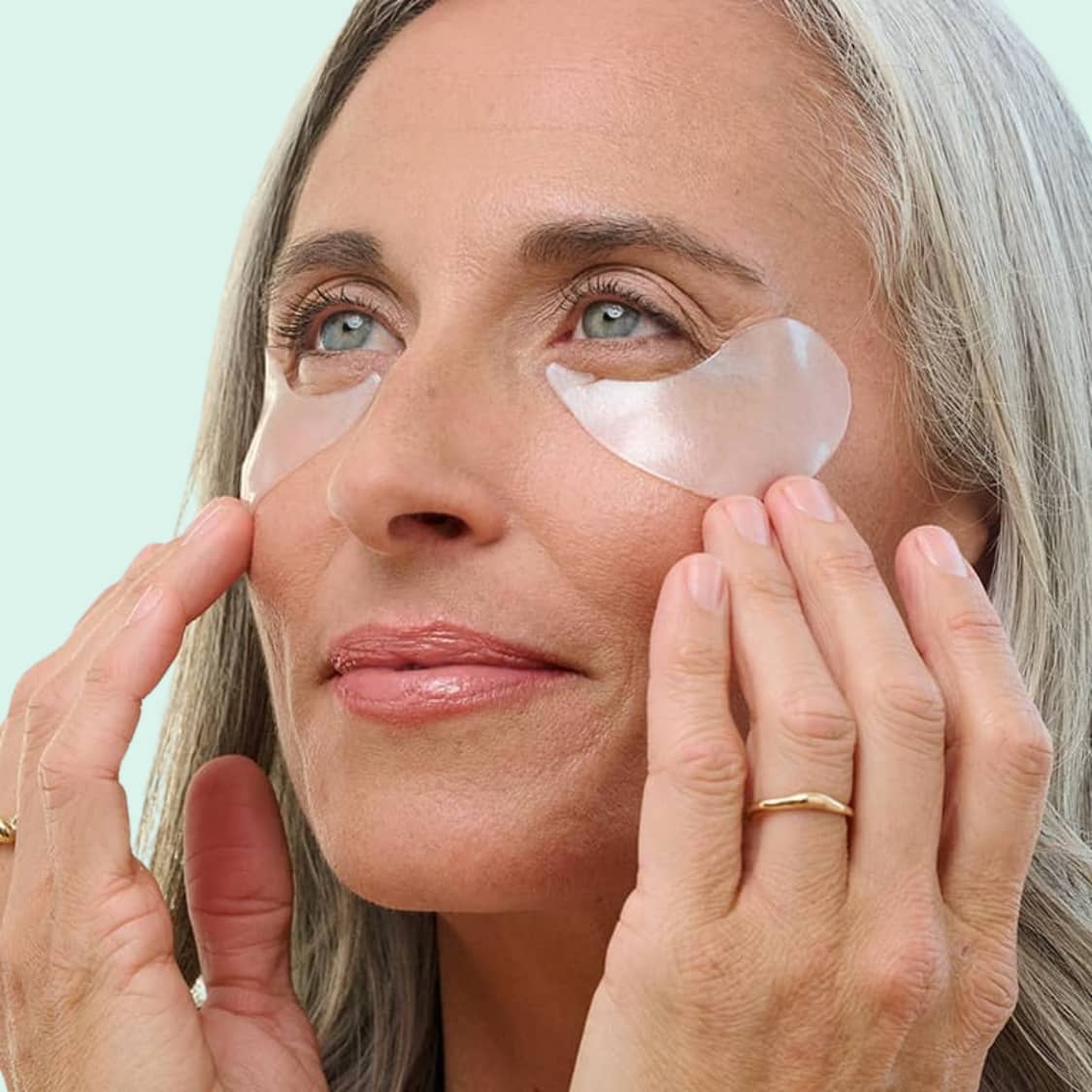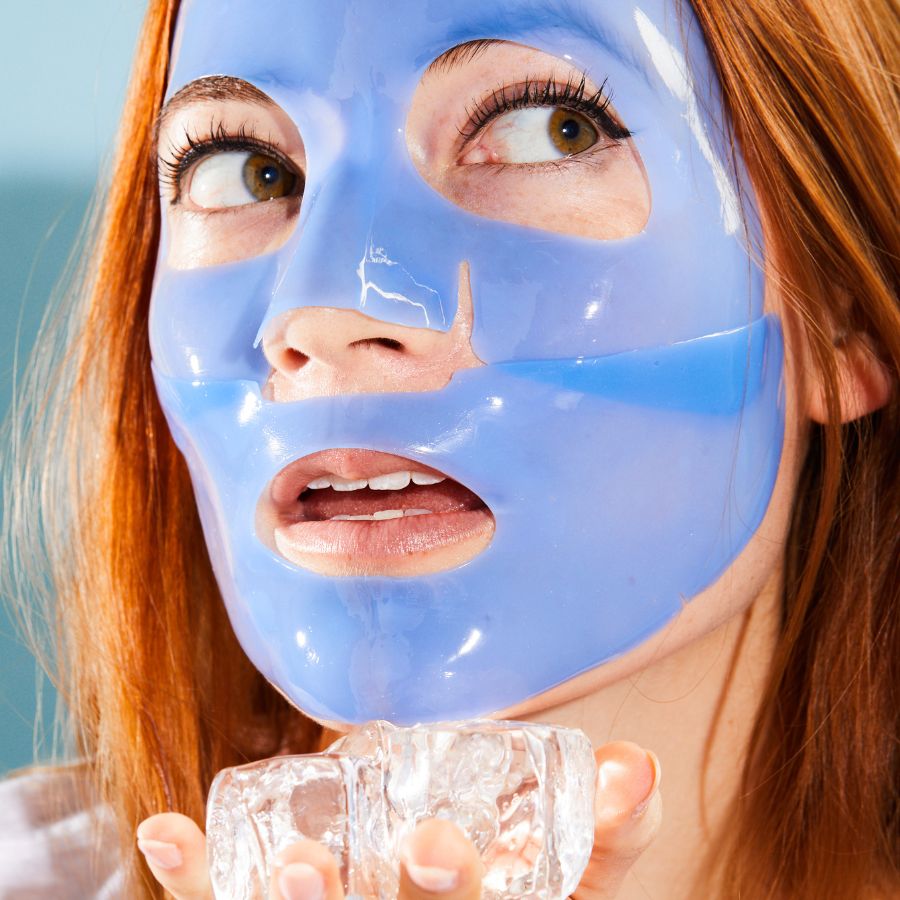



There is no universal answer to how often you should use a face mask — and any routine that tells you otherwise is probably not working as well as it could. The right frequency depends on the type of mask you are using, what your skin needs right now, and how your skin responds over time.
What most dermatologists agree on is a general starting point: one to three times per week for most mask formats, with hydrating and sheet masks sitting toward the more frequent end of that range, and clarifying or exfoliating masks closer to once weekly. From there, your skin does the guiding.
Here is how to think about it by skin type, concern, and mask format, so you can build a masking routine that actually fits your life.
Why Frequency Matters More Than You Think
Using a mask more often does not automatically mean better results. In fact, one of the most common reasons a masking routine stops working is overuse. Clarifying and purifying masks pull excess oil and impurities from the skin. Used too frequently, they can strip the skin's natural moisture barrier faster than it can recover, which often leads to more congestion, not less.
Hydrating formats are more forgiving. Sheet masks and gel masks loaded with moisture-supporting ingredients like hyaluronic acid, which helps the skin hold onto water and supports a plumper, more comfortable appearance, can typically be used several times a week without disrupting the skin barrier.
According to Healthline, for hydrating and gentle formula masks like creams and gels, you can experiment with daily use, while exfoliating or purifying formulas should be scaled back if you notice raw skin or early irritation. The signal to adjust is always your skin's response, not a fixed schedule.
How Often to Mask by Skin Type
Dry or Dehydrated Skin
Dry skin benefits the most from consistent masking because it is constantly losing moisture faster than it can replenish it, especially in warm weather when air conditioning and sun exposure accelerate that cycle.
Two to three times per week with a hydrating mask is a strong starting point. Look for formats centered around hyaluronic acid and barrier-supporting ingredients like niacinamide; niacinamide supports the appearance of a stronger, more even-toned complexion by reinforcing the skin's natural barrier function.
The FlashMasque Hydrate is designed exactly for this cadence: a five-minute sheet mask that delivers a concentrated moisture surge without requiring a time commitment. It fits naturally into a weeknight routine without any complexity.
For days when skin feels particularly depleted, the Rosé Hydrating Face Sheet Mask offers an additional layer of nourishment with hyaluronic acid to help support the appearance of plumper, more comfortable skin.
Oily or Congestion-Prone Skin
Oily and congestion-prone skin often benefits from masking one to two times per week with a clarifying formula, and once a week with a hydrating mask. This combination matters because over-clarifying without balancing hydration can trigger the skin to produce more oil in response to dehydration — the opposite of what you want.
The SmartMud Detox Mud Face Sheet Mask brings the draw-out power of mineral-rich volcanic ash in a no-mess sheet format, making it easier to stay consistent without the cleanup of a traditional mud mask. Once a week is a reliable starting point; twice if your skin is feeling particularly congested before an event or after a heavy week.
Pair it mid-week with a hydrating mask to keep the skin balanced and supported between clarifying sessions.

Sensitive or Reactive Skin
Sensitive skin calls for a more conservative approach. Starting once a week gives your skin the chance to respond without overwhelming it, and you can gradually build frequency if things feel good over time. The priority here is formulas that focus on supporting the barrier rather than working against it.
The Skin Remedy Barrier-Boosting Sheet Mask is specifically formulated for skin that needs calming and barrier support. It is a good first mask for anyone building or rebuilding a routine after a period of sensitivity, irritation, or overuse of active ingredients.
Pro tip: If your skin has been reacting to products lately, treat that as a signal to strip your routine back before adding masks. Barrier-focused masking once a week alongside a minimal cleanse-and-moisturize routine is often more effective than layering in multiple actives at once.
Combination Skin
Combination skin often has different needs across different zones, which is where multi-masking becomes a genuinely useful strategy rather than a beauty trend. Using a clarifying mask on congested areas, typically the T-zone, while applying a hydrating mask to drier zones lets you address both concerns in a single session without compromising either.
Two to three times per week works well for most combination skin types, varying between hydrating and clarifying formats based on what your skin is doing that week.
If you want to explore different formulas before committing, the Mask-nificent hydrogel sample bundle is a low-commitment way to try multiple formats and find the ones that work best for your skin's particular pattern.
Normal Skin
Normal skin has the most flexibility. One to two times per week is typically enough to maintain hydration, clarity, and an even complexion. The bigger question for normal skin is usually which mask to reach for, not how often.
Rotating between a hydrating mask and a brightening mask gives you the best of both, consistent moisture support and an occasional luminosity boost. The FlashMasque Illuminate is a five-minute vitamin C-forward sheet mask designed to support the appearance of a brighter, more even complexion and works well as an end-of-week reset.
 How Often to Mask by Concern
Puffiness
If supporting the appearance of puffiness is the goal, consistency matters more than intensity. Using a cooling hydrogel mask three to four mornings per week builds a noticeable cumulative effect over time. The Cool Crush Depuffing Hydrogel Face Mask is formulated with caffeine, which supports the appearance of depuffed, more awake-looking skin, and peptides, and is designed to be used cold for maximum cooling effect.
Daily use is well-tolerated by most skin types given the gentle, hydrating nature of the formula.
Dullness and Uneven Tone
Two times per week with a brightening mask is a practical cadence for addressing dullness without over-exfoliating. Vitamin C is the ingredient to look for here; it supports the appearance of a more radiant, even-toned complexion by targeting the look of discoloration at the surface level. As Marie Claire's editors noted in their roundup of the best face masks for every skin type, masks designed to boost radiance work best when used consistently rather than as a one-time fix.

Cooling and Firming
In warmer months especially, skin can feel sluggish, warm, and less defined. This is a good moment to introduce a cooling hydrogel mask into a morning routine. The On Ice Hydrogel Facial Sheet Mask is designed to deliver a cooling, firming sensation and works well used two to three times per week or daily if skin is responding well. Store it in the fridge for an amplified effect.
Congestion and Excess Oil
Once to twice per week with a clarifying mask, no more. Overusing purifying formats, especially clay and mud-based ones, is one of the fastest ways to disrupt the skin barrier and worsen the congestion you are trying to address. Give the skin two to three days between clarifying sessions to rebalance.
A Simple Weekly Masking Framework
Rather than tracking individual days rigidly, a loose weekly framework is easier to maintain:
Two to three times per week: Hydrating or sheet masks for most skin types. Gentle enough to use whenever skin feels dry, dull, or depleted.
Once per week: Clarifying or purifying masks for oily, combination, or congestion-prone skin.
As needed: Cooling or firming hydrogel masks, these are gentle enough for daily morning use if puffiness or heat is a recurring concern.
Pro-tip: The best masking routine is the one you actually maintain. A single mask used consistently three times a week will outperform a complicated multi-step masking protocol you abandon after ten days. Pick your anchor mask first, the one that addresses your primary concern, and build from there.
Can You Use a Face Mask Every Day?
It depends entirely on the formula. Hydrating sheet masks and cooling gel masks are generally gentle enough for daily use, and many people find that daily use delivers noticeably more consistent results than occasional masking. Gel masks and sheet masks designed to support hydration and comfort often work well two to three times per week, and especially mild formulas may feel good for more frequent use depending on how your skin responds.
Clarifying, purifying, and exfoliating mask formats should not be used daily. They are designed for intermittent use to avoid disrupting the barrier.
If you are unsure where to start, the face mask collection is organized by concern, which makes it easier to match the right format to your skin's current state rather than guessing.
What Happens If You Mask Too Often
Overmasking with the wrong format is one of the more common skincare mistakes, and the signs are easy to miss at first. Skin that starts to feel tight, reactive, or paradoxically more congested after a period of heavy masking is often responding to barrier disruption rather than improvement.
Dermatologists generally recommend using a mask one to three times a week, noting that using them too often can irritate or dry out the skin, and that balance is key. If you notice your skin becoming more sensitive, scaling back frequency and prioritizing a barrier-supportive mask like the Skin Remedy formula is usually the right reset.
As Vogue highlights in their guide to the best face masks for every skin concern, consistency and format selection matter more than frequency alone; the right mask used at the right cadence is what delivers lasting results.
Frequently Asked Questions
How often should you use a hydrating face mask? Most skin types can use a hydrating sheet mask or gel mask two to three times per week. Gentle formulas can be used daily if your skin responds well and you are using a hydrating-only format without active exfoliants.
Can you use a face mask every day? Hydrating and cooling gel masks are generally gentle enough for daily use. Clarifying, clay, mud, or exfoliating masks should be limited to once or twice per week to avoid disrupting the skin barrier.
How often should you use a clay or mud mask? Once to twice per week is the right cadence for most skin types. Allow at least two to three days between sessions to let the skin rebalance. If you notice dryness or tightness after use, scale back to once per week.
Is it better to mask in the morning or at night? It depends on the mask. Cooling and depuffing hydrogel masks work well in the morning when skin often looks its puffiest. Hydrating and restorative masks work well at night when the skin's natural repair cycle is most active. There is no wrong answer — the best time is the one that fits your routine consistently.
How do you know if you are masking too often? The main signals are increased sensitivity, tightness after use, more congestion or redness than usual, or skin that feels stripped rather than refreshed. If any of these appear, reduce frequency and switch to a barrier-supportive formula until skin feels balanced again.
The Bottom Line
Masking frequency is not about doing more — it is about doing the right thing consistently. Hydrating and sheet masks are your most versatile tool and can anchor a two to three times per week routine for almost any skin type. Clarifying and purifying masks are best saved for once weekly to avoid over-stripping. Cooling gel formats are gentle enough for daily use if puffiness or heat is a regular concern.
Start with your primary concern, pick one mask that addresses it directly, and build frequency gradually based on how your skin responds. That approach will deliver more consistent results than cycling through products looking for a dramatic overnight change.